
The Historical Context of Spanish Treasure Fleets
The Spanish treasure fleets, known as “flotas de Indias,” were monumental convoys that transported highly valuable goods from the New World to Spain between the 16th and 18th centuries. These fleets were crucial to the economic strength and sustenance of the Spanish Empire, as they ferried silver, gold, and other precious commodities across the vast and volatile Atlantic Ocean. Despite their economic significance, the journey these fleets undertook was fraught with numerous hazards such as adverse weather conditions, the threat of piracy, and the intricacies of navigating complex coastal geographies.
The Texas Coast’s Geographical Challenges
The Texas coast, which unfolds over approximately 367 miles along the Gulf of Mexico, presented a series of formidable challenges to the Spanish treasure fleets. This stretch of coast, characterized by an intricate arrangement of barrier islands, along with numerous shallow bays and inlets, posed significant navigational challenges. The ships navigating these perilous waters were constantly at risk of encountering hidden sandbars and dealing with shifting currents that could lead to unforeseen groundings. The combination of these perils greatly increased the risk of shipwrecks, thus threatening the safe passage of treasure-laden vessels.
Significance of the Texas Coast in Historical Wrecks
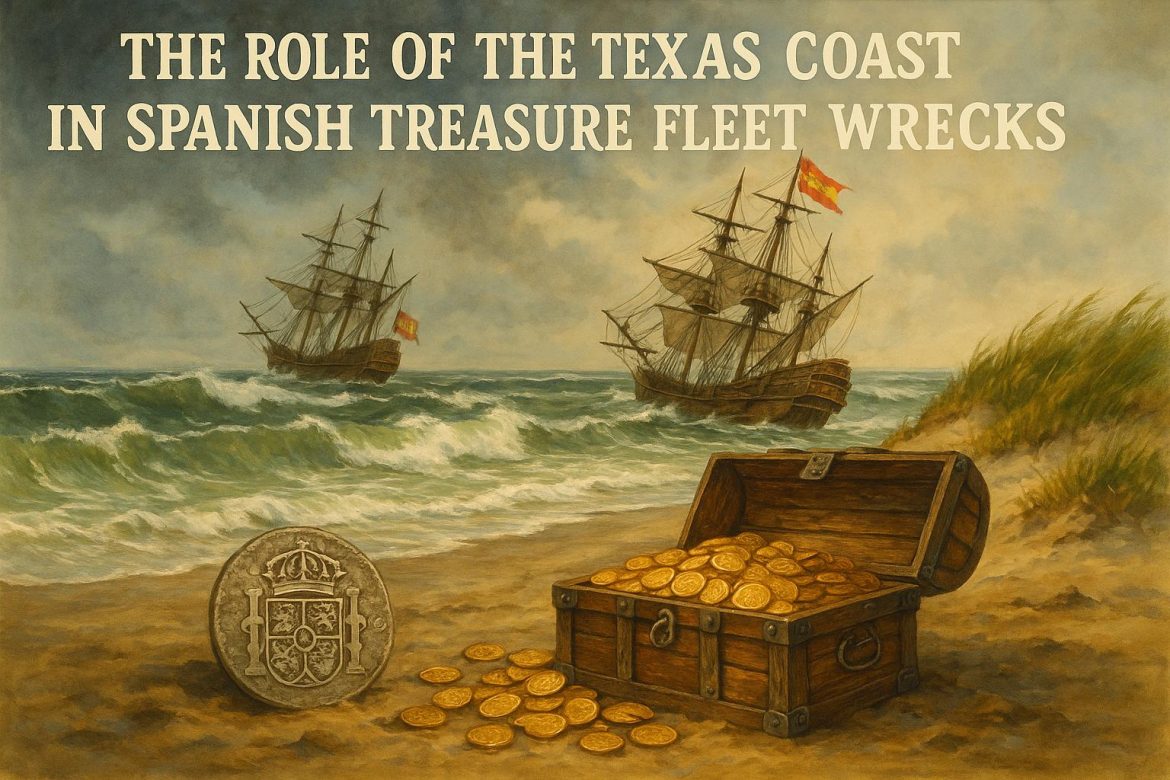
Historical records indicate the Texas coast as a site of numerous shipwrecks involving Spanish treasure fleets. The treacherous, shallow waters and unpredictable weather patterns significantly contributed to the demise of many ships. Hurricanes were particularly notorious for their destructiveness, often causing vessels to capsize or be dashed upon the sandy shores. Consequently, many treasures reportedly found their burial at sea, some still undiscovered and enticing to treasure hunters and historians alike.
Known Shipwrecks and Archaeological Efforts
Efforts to locate and excavate Spanish shipwrecks along the Texas coast have become a crucial aspect of modern archaeology. These efforts aim to unearth a deeper understanding of the extent of historical losses endured by the treasure fleets. Multiple initiatives have been launched, focusing on the vast expanse of the Gulf of Mexico, including the Texas coastline, in a bid to recover historical evidence concealed beneath the waters. Previous expeditions have succeeded in identifying submerged remnants of ships, uncovering sunken treasures, and offering vital insights into the maritime history of the area. The discoveries garnered from these underwater archaeological quests have significantly contributed to our understanding of the seafaring and exploratory endeavors during the era of the Spanish Empire.
Conclusion: The Enduring Legacy
The Texas coast, with its treacherous waters, played a challenging yet historically significant role in the saga of the Spanish treasure fleets. The natural obstacles presented by the geographical layout of this coastal region transformed it into a formidable gauntlet that often served as the final resting place for many vessels carrying Spain’s riches. These shipwrecks serve as crucial historical artifacts, offering a glimpse into a past where exploration and ambition were driving forces of an era. The ongoing exploration and scholarly study of these underwater sites provide essential insights into the perilous expeditions and narratives that played an influential role in amassing Spain’s wealth during one of history’s most fascinating periods.
Understanding the dynamics of the Spanish treasure fleets and their interactions with the challenging environment of the Texas coast contribute significantly to our comprehension of the broader historical and economic context of the era. The exploration of such underwater archaeological sites not only helps to illuminate the specifics of maritime navigation and commerce of the time but also enriches our understanding of the cultural and historical aspirations underpinning these voyages. As new technologies and archaeological methodologies continue to evolve, they may reveal even more about this remarkable period in history, furthering the knowledge and appreciation of the Spanish Empire’s maritime endeavors.
Historical investigations and discoveries concerning the Spanish treasure fleets underscore their enduring legacy, accentuating their pivotal role in shaping the world stage during the Age of Exploration. These undertakings highlight the interconnectedness of geography, commerce, and exploration, weaving a narrative that encompasses human ambition, adversity, and the quest for knowledge and wealth. While the historical wrecks along the Texas coast continue to be subjects of intrigue and exploration, they remind us of the tremendous challenges faced by those who dared to traverse the seas in pursuit of dreams and fortunes. The inexorable lure of the treasures lost to the depths stands as a testament to the adventurous spirit that defined an epoch — the Spanish Empire’s golden age of exploration.