

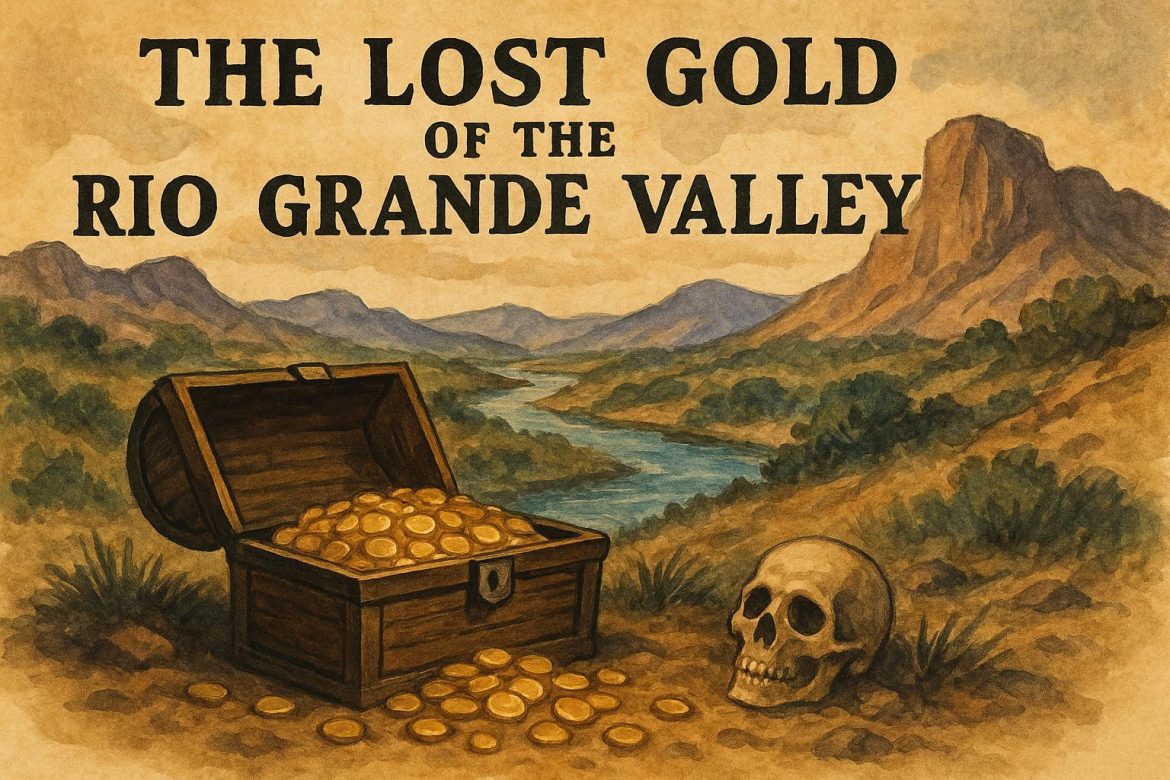
The Legend of the Lost Gold
The Rio Grande Valley, a region steeped in rich history and a tapestry of diverse cultures, has long held tales of hidden treasures and lost gold. The most enduring legend among these is the story of the “Lost Gold of the Rio Grande Valley,” which continues to captivate treasure hunters and historians alike. This tale is not just a story of hidden wealth but also a reflection of the cultural and historical influences that have shaped the area over centuries.
The Origins of the Legend
The origin of the legend dates back to the 18th and 19th centuries, a transformative period marked by fierce exploration and ambitious colonial expansion in the Americas. During this time, the quest for wealth and territory led many to brave the unknown landscapes. Rumors persist that a significant cache of gold, collected from various expeditions of Spanish explorers, along with the contributions of local settlers, was hidden in the valley. The aim was to safeguard these riches from marauding bandits or during the chaos of impending conflict. As the years passed, the exact location and the details surrounding this treasure became blurred and mysterious, fostering numerous theories and enticing numerous explorations.
Theories and Speculations
The mystery of the Lost Gold has cultivated many theories, each attempting to unravel the mystery of how and why the gold vanished from record. Historians have posited various scenarios, with some suggesting that the treasure was clandestinely buried by retreating forces amidst the chaos of the Mexican-American War. These forces might have aimed to ensure that the gold was not captured by opposing forces. Another theory proposes that local tribes may have strategically concealed the treasure to protect it from the colonial aggressors or opportunistic bandits who were rife during this tumultuous era. Additionally, tales of notorious outlaws, who were known to proliferate in the region throughout the 19th century, suggest that these criminals could have encountered or even contributed to the disappearance of the gold.
Modern Expeditions and Efforts
In the modern era, the legend of the lost gold has not only endured but thrived, sparking a renewed sense of adventure and intrigue. Amateur treasure hunters, driven by the dream of discovery and scholars keen to resolve a historical enigma, have embarked on numerous expeditions across various segments of the Rio Grande Valley. These modern treasure hunters are well-equipped; employing state-of-the-art technology such as ground-penetrating radar, which allows them to detect subsurface anomalies, and metal detectors that can identify metallic objects buried for centuries. Despite these advanced methods, the elusive gold remains undiscovered, maintaining its mystery and continuing to lure new adventurers to this age-old quest.
Impact on Local Culture
The ongoing allure of the lost gold legend has undoubtedly left an indelible mark on the cultural landscape of the Rio Grande Valley. This legend has been a wellspring of inspiration, leading to the creation of numerous stories, books, and even films that explore and romanticize the quest for lost treasures. Additionally, the search for gold has provided an economic boon to the area, drawing in tourists, history enthusiasts, and adventure seekers, all eager to trace the steps of past explorers. This influx not only supports the local economy but also encourages the preservation of the vast cultural archives of the region.
Furthermore, the legend and the histories it evokes provide a poignant reminder of the Rio Grande Valley’s deeply layered past, with rich cultural influences that continue to shape its identity. The admixture of Native American traditions, Spanish colonial legacies, and Mexican cultural traditions all intertwine, forming a region of rich cultural significance interwoven with stories of hidden treasures.
Continued Fascination and Future Prospects
Despite the passage of time, fascination with the legend of the lost gold remains robust, sustaining both local and global interest. This enduring tale not only captivates those interested in treasure but also draws in scholars and historians eager to piece together a more complete narrative of the region’s history. Future prospects in the search for this legendary treasure may eventually benefit from not just technological advances but also interdisciplinary studies that could provide new insights or interpret past events differently.
Archaeologists and historians may continue to collaborate, redefining established theories or uncovering forgotten records that might lead closer to discovering the treasure’s fate. As technological methods evolve, more sophisticated means of exploration and excavation could very well change the dynamics of modern treasure hunting, offering new hope to those who continue to believe in the existence of the hidden gold.
In conclusion, the legend of the lost gold of the Rio Grande Valley transcends a mere tale of wealth. It embodies an intricate tapestry of history, mystery, and cultural heritage, continually weaving its way into the fabric of local culture and drawing adventurers, scholars, and dreamers to its promise of discovery. As such, the story of the lost gold endures, a testament to the enduring allure of mystery and the human spirit’s quest for understanding the past. For those interested in pursuing a deeper understanding, more comprehensive resources and articles are available, such as those published by Texas Monthly, which offer additional insights into the rich history and cultural narratives of the Rio Grande Valley.