

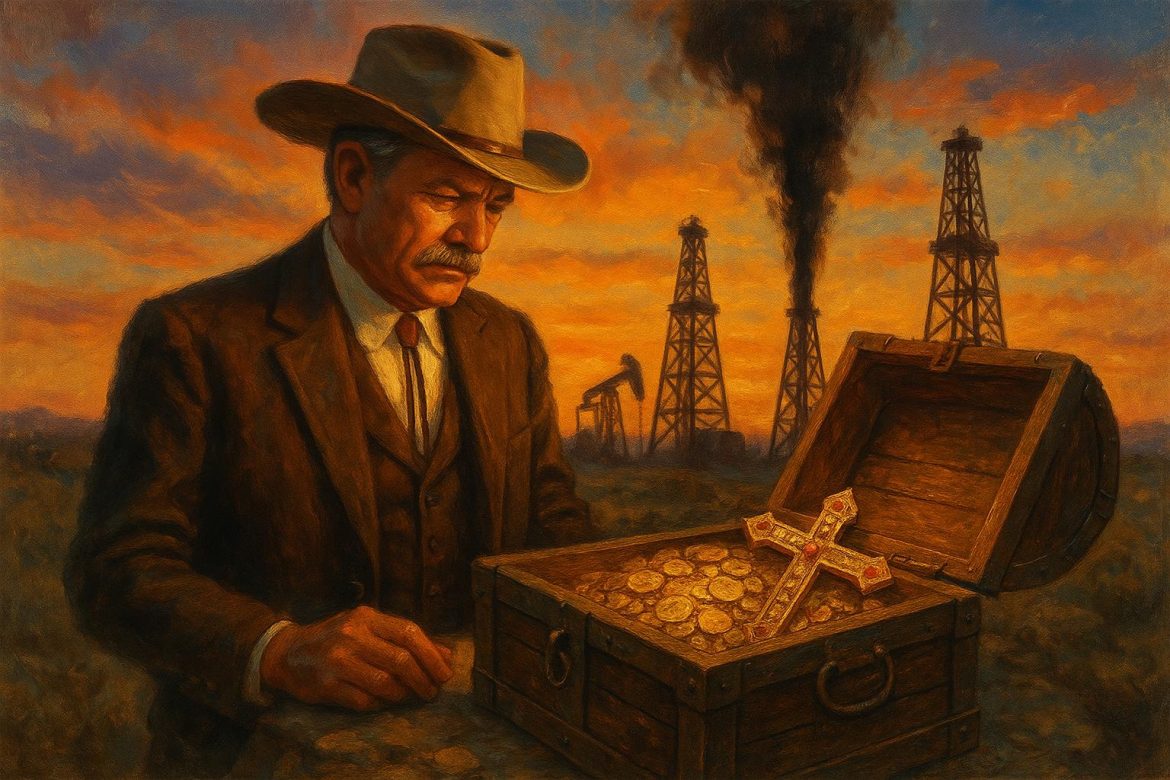
The Historical Overview of Texas Oil Barons
The story of Texas oil barons is inextricably linked with the state’s development in the early 20th century. The discovery of oil at Spindletop in 1901 near Beaumont, Texas, marked a pivotal moment in history, transforming a mostly agrarian society into an industrial powerhouse. This oil boom attracted numerous entrepreneurs who sought to capitalize on the immense opportunities that oil prospecting and production presented.
The Rise of Wealth and Influence
During the early surge of the oil industry, individuals who ventured into the field of oil exploration and production quickly amassed significant wealth. Figures such as H.L. Hunt, Clint Murchison, and Sid Richardson became household names, accumulating vast fortunes and influencing both local and national economics. These individuals were not just rich; they wielded considerable influence over economic policies and had the power to shape the industry and, consequently, the economy of entire regions.
H.L. Hunt, for instance, emerged as one of the wealthiest people of his time. His success began when he acquired oil properties from former wildcatter Dad Joiner. As Hunt’s empire expanded, so did his influence, eventually becoming one of the key figures in the oil industry. Similarly, Clint Murchison and Sid Richardson established themselves as oil tycoons, with Murchison becoming known for his role in establishing the Dallas Cowboys football team and Richardson’s notable philanthropic efforts.
Beyond Oil: Diversification and Investments
Their wealth wasn’t confined solely to oil; many investors sought to diversify their holdings. They ventured into real estate, sports, and various other industries, thereby positioning themselves as multifaceted business magnates. By investing in different industries, these oil barons secured their legacies and provided for future generations. The lavish lifestyles and investments of these oil barons became legendary, and so did stories of how they spent their fortunes.
Stories circulated about elaborate parties, grandiose mansions, and significant contributions to political campaigns, which only served to underscore their immense influence. However, it wasn’t just about personal indulgence. Many of these barons were also philanthropists who contributed to public works, charitable organizations, and the arts, leaving a lasting imprint on their communities.
Mystique of Lost Treasures
In tandem with narratives of opulence, tales of lost treasures associated with Texas’ oil barons began to surface. These stories were fueled by the secrecy and the large-scale operations of the oil magnates, who often transported vast sums of cash or treasure to support their extensive endeavors. Over time, several theories emerged around these supposed lost treasures.
The allure of lost treasures remains a fascinating aspect of the oil barons’ era. Stories of hidden wealth arose from the significant amounts of money being moved around discretely. It is believed that these barons sometimes buried or secretly stored their treasures to protect them from the volatile economic conditions of the time, rumors that have only grown in legend over the decades.
Possible Connections to Historical Treasures
The most prominent of these tales involves connections to older historical treasures, such as the mythical stashes left by notorious outlaws like Jesse James or the treasures of Spanish galleons said to be hidden across Texas. Some even speculate that oil barons may have inadvertently uncovered or deliberately sought such treasures during their explorations or acquisitions of land rich in resources.
These anecdotes suggest the possibility that while searching for oil, barons could have stumbled upon hidden caches left by figures legendary in their own right. The sprawling Texan landscapes, dotted with remote areas and long stretches of undeveloped land, further added to the feasibility of such tales. Yet, whether these associations bear any truth remains an open question, inviting intrigue and speculation.
Searching for Evidence
Despite the intrigue surrounding these stories, concrete evidence linking oil barons to lost treasures remains elusive. Many of the tales are steeped in folklore and local legend, evolving over time and exacerbated by the naturally secretive nature of wealth and the oil industry. Researchers continue to sift through historical records and accounts, seeking clues that substantiate these claims.
The allure of lost treasures persists, captivating treasure hunters and historians alike, who remain fascinated by what still lies undiscovered in the vast Texas landscape. For those interested in further exploration of this topic, a wealth of resources and research materials are available through local archives and historical societies. Reports and annals from the time provide insights, while contemporary researchers work to uncover verifiable evidence of such tales.
Yet, from a historical perspective, the absence of evidence does not negate the impact of these stories on Texan culture and heritage. They form an important part of the narrative that celebrates the audacity and enterprise of a bygone era, encapsulating a time when larger-than-life figures dominated the economic and cultural landscape of the state.
In summary, while the stories of Texas oil barons are marked by tangible achievements of wealth and industry success, the tales of hidden treasures contribute an additional layer, weaving an evocative tapestry that combines fact, fiction, and the enduring mystery that oil barons left in their wake.