
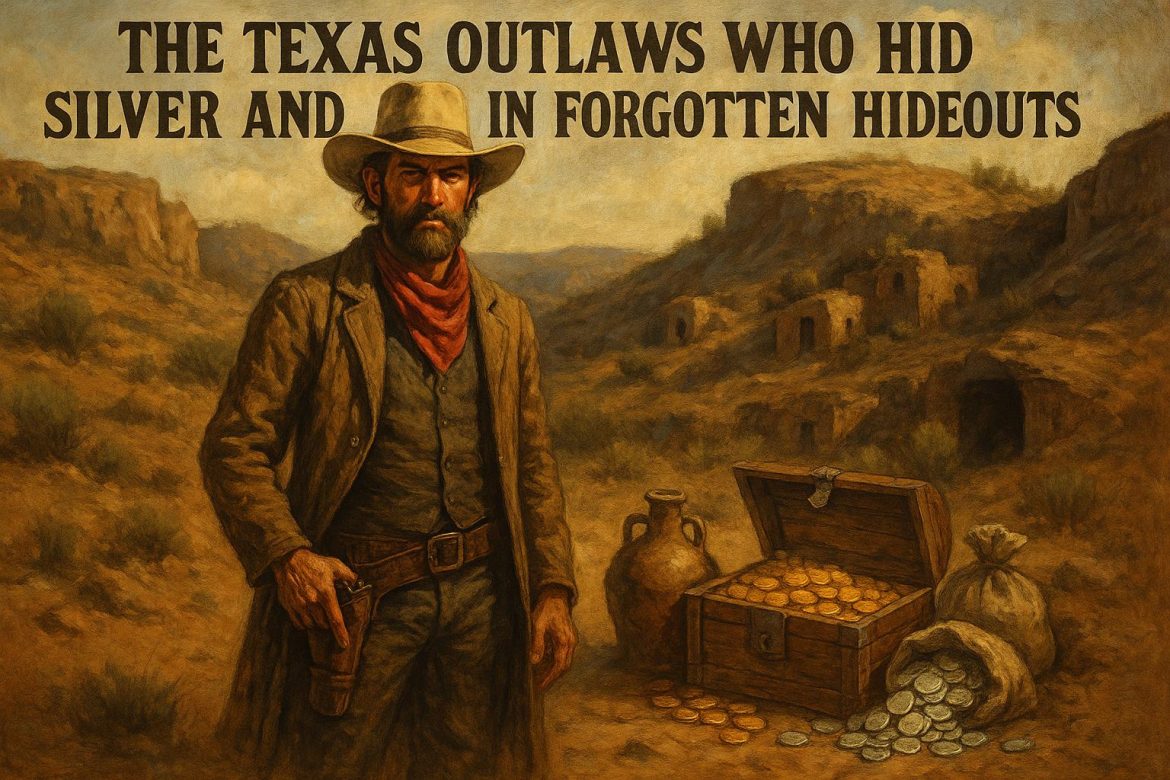
The tales of Texas outlaws hiding valuable treasures of silver and gold have been passed down through generations. These stories, while gripping, blend both historical facts and local folklore. The allure of discovering forgotten hideouts and buried treasures continues to captivate treasure hunters and historians alike.
Notorious Outlaws: A Glimpse Into Their Lives
During the 19th century, Texas was a hotbed for outlaws seeking refuge from the law. The expansive and varied landscape of Texas provided both sanctuary and challenges for these individuals who lived on the fringes of society. Among the most infamous were Sam Bass, Jesse James, and Butch Cassidy. These outlaws often engaged in high-stakes robberies, amassing wealth in the form of silver and gold, which they needed to conceal from authorities.
The Life of Sam Bass
Sam Bass, a notorious outlaw of the 1870s, became one of the most famous train and stagecoach robbers in the American Southwest. Born in Indiana, Bass moved to Texas where he initially tried to make a living as a farmer and later a freighter. However, his fortunes turned toward a darker path, and he eventually took to robbing trains with his gang. One of his legendary exploits took place in 1878 when he reportedly buried a significant haul of stolen gold somewhere near Denton, Texas. This particular story intrigued many adventurers who, driven by dreams of fortune, carried out numerous searches, albeit without definitive success.
The Legacy of Jesse James
Jesse James, perhaps the most legendary outlaw in American history, is also tied to Texas’ tales of hidden treasures. After the Civil War, James and his gang were infamous for committing a series of bank heists and train robberies. Their operations spanned several states, with many instances leading them across the expanses of Texas. Over the years, rumors circulated suggesting that some of their loot was buried in undisclosed locations throughout Texas, fueling decades of speculative searches by those hoping to uncover part of the gang’s storied past.
Common Locations for Hidden Treasures
The diverse landscape of Texas provided ideal hiding spots for outlaws. Legend has it that these treasures were often concealed in caves, near notable landmarks, or buried in the dense thickets that characterized the region. These locations, chosen for their isolation and defensibility, have become focal points for both treasure hunters and historians.
Caves and Natural Hiding Spots
Many stories suggest that outlaws preferred natural formations such as caves for their reliability as natural safes. As a refuge from both the law and the brutal Texas weather, caves were ideal depositories for illicit riches. These locations were easily defensible and less likely to be discovered by passersby. Canyons, such as the famous Palo Duro Canyon, and regions around the Rio Grande are frequently cited in folklore as places where outlaw treasures were hidden away from prying eyes.
Landmarks and Secret Codes
In addition to natural hiding places, some outlaws were known to use environmental markers such as distinct trees or rock formations to camouflage their loot. These markers could help them locate their stolen goods at a later date. Moreover, legends also speak of cryptic codes or maps left behind that only those familiar with the outlaw’s methods could decipher, making the task of finding these hidden treasures even more challenging and mysterious.
The Ongoing Quest for Treasures
The search for these hidden caches of silver and gold remains an adventurous pursuit today. Modern treasure hunters are not deterred by the passing of time and the lack of definitive evidence. Instead, they continue this tradition, often employing sophisticated metal detectors, ground-penetrating radars, and other technologies, hoping to uncover treasures that have eluded discovery for over a century.
Despite modern technology, the peculiar and elusive nature of these fabled treasures persists, leaving their existence shrouded in mystery. The landscape and the legacy of the outlaws offer a tantalizing mix of history and myth. As a result, the stories of Texas’ outlaw treasures maintain a grip on the imagination, encouraging a blend of historical investigation and speculative adventure among enthusiasts and professionals alike.
For those interested in delving deeper into the history of these outlaws and treasure hunts, numerous books and resources provide detailed accounts. These include oral histories, documented search attempts, and historical analyses, serving as invaluable tools for understanding this rich tapestry of Texas history. The allure of undiscovered fortunes continues to inspire both amateur and seasoned treasure seekers to explore Texas’ vast and storied landscapes.