

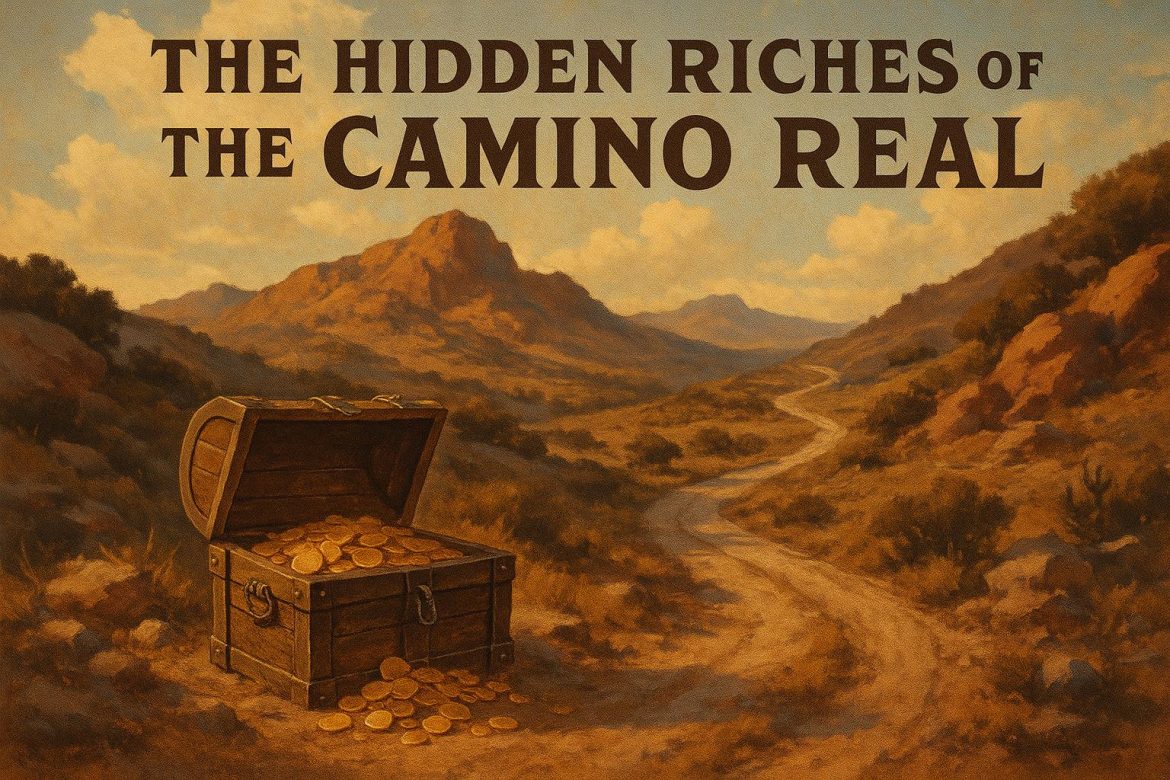
The Historical Significance of Camino Real
The Camino Real, known as the “Royal Road,” is an extensive network of routes that historically linked the regions of Mexico during the Spanish colonial period. This significant pathway was instrumental in the transportation of goods, dissemination of culture, and exchange of ideas between diverse communities. Originating in the early 16th century, the Camino Real spanned several territories, facilitating economic and cultural growth.
Economic Impact
The Camino Real served as the primary trade and travel route, promoting the economic development of colonial Mexico. Its strategically planned course connected major mining regions to port cities, enabling the transportation of precious metals and minerals that were crucial to Spain’s colonial economy. As goods traveled across this route, they contributed to flourishing local markets and supported the growth of settlements along its path. These settlements often became bustling market towns, where regional products such as textiles, agriculture, and crafted goods were exchanged, contributing further to the region’s economic vitality.
As traders and merchants moved along the Camino Real, the economic landscape of the region underwent significant transformation. The facilitation of trade allowed for the creation of a complex supply chain that supported long-distance commerce. The exchange of goods also meant the continuous flow of currency and thus the development of a more structured financial system that included the establishment of local trading posts and money lending services. Such economic networks were critical in the development of the colonial society’s infrastructure.
Cultural Exchange and Development
In addition to its economic importance, the Camino Real was a channel for cultural exchange. As people traversed these routes, they shared not only goods but also traditions, customs, and knowledge. The result of this interaction was a rich blending of indigenous and European cultures, which is evident in the art, architecture, and language of the regions connected by the Camino Real.
For instance, architectural styles evolved as elements of Spanish design were incorporated into indigenous building techniques, resulting in a fusion that is now characteristic of Mexican colonial architecture. This integration went beyond structures—culinary traditions were also affected as different ingredients and cooking methods merged, leading to a diversified palate greatly distinct from its original components. The route facilitated the spread of innovations as well, from agricultural techniques suited to varied climates to advances in crafts and weaving.
Religious Influence
Religious missions played a pivotal role in the history of the Camino Real. Missionaries used the route to establish missions and spread Christianity throughout colonial territories. The establishment of missions along this route facilitated the spread of new religious and cultural practices, which had a lasting impact on the social dynamics of the regions.
The missions acted as centers for religious education, but they also became centers for cultural transmission. They provided a space where indigenous peoples were introduced to European cultural mores and practices. Furthermore, these missions were instrumental in teaching European agricultural practices and the Spanish language, leading to significant cultural integration and transformation. The introduction of Christianity also led to the blending of religious traditions, resulting in unique and syncretic forms of worship that continue to exist today.
The Present-day Relevance
Today, the historical Camino Real remains a testament to its past importance. While no longer a bustling trade route, it holds immense heritage value and continues to attract researchers, historians, and tourists. Many parts of the Camino Real have been preserved and are accessible for those interested in exploring its historical legacy. These routes offer significant insight into the colonial past and continue to connect communities both physically and culturally.
The Camino Real serves as a cultural monument, symbolizing centuries of history and interaction among diverse peoples. Present-day tours and heritage trails along the Camino Real allow visitors to walk the paths once tread by colonial traders and missionaries, providing a tangible connection to the past. These historical explorations often include visits to restored missions, historic towns, and interpretive centers dedicated to explaining the complex history associated with the Camino Real.
Moreover, the Camino Real serves as a reminder of the social changes that have occurred over the centuries. It illustrates the human capacity to adapt to and influence their environment, demonstrating how transportation routes shape the socio-economic fabric of societies. For contemporary scholars and enthusiasts, the Camino Real represents a living museum that offers layers of stories waiting to be unearthed and understood.
For further information on the Camino Real, its routes, and its historical significance, visiting dedicated historical societies and government archives can provide in-depth insights into this remarkable network. Such organizations often host a myriad of resources and materials for those looking to delve deeper into the rich history of the Camino Real, making it possible to connect modern audiences with a multifaceted past.
In conclusion, the Camino Real not only facilitated economic prosperity and cultural exchange during the colonial period but also left a lasting imprint on the regions it connected. Today, it serves as a powerful symbol of historical connectivity and cultural convergence, offering invaluable insights into the socio-economic dynamics of colonial Mexico and the enduring legacy of its cultural landscape.