

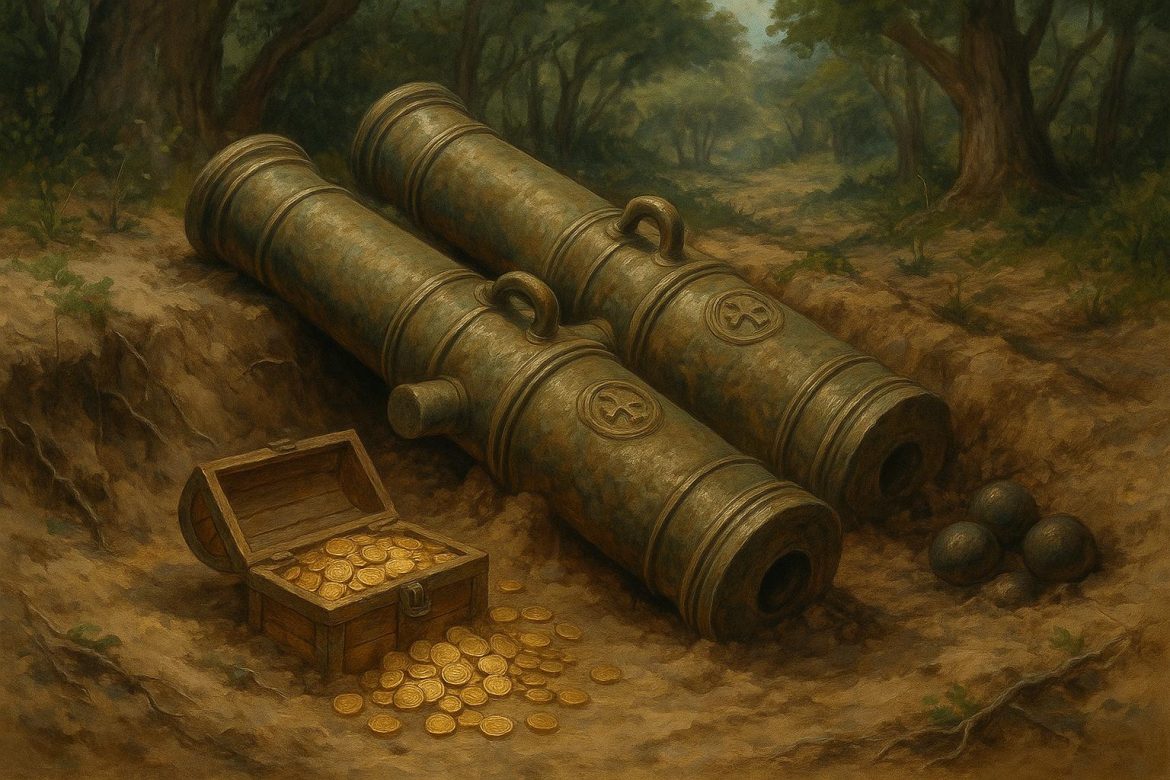
The Discovery of the Buried Cannons
The buried Spanish cannons have intrigued historians and treasure hunters for decades. These relics from a bygone era present not only an archaeological interest but also a tantalizing potential for hidden riches. Reports of these cannons have surfaced in various parts of the world, from the Philippine jungles to the coastal regions of the Americas.
Historical Background
The Spanish Empire, known for its extensive maritime expeditions, often fortified its colonies with cannons manufactured in Spain and transported across oceans. During the 16th and 17th centuries, these artillery pieces played a crucial role in defense and territorial expansion. The cannons were generally cast in bronze or iron, featuring intricate designs that often included the royal coat of arms.
Significance of Cannons in the Spanish Colonial Era
These cannons served multiple purposes beyond military applications. They were often employed as deterrents against pirate raids and as symbols of power and authority. Their strategic placement along trade routes was crucial for protecting the increasingly profitable colonies. The Spanish Empire’s colonial strategy relied heavily on the ability to control and defend significant trade routes, and cannons provided the necessary firepower to repel threats from competing European powers, native uprisings, or rogue privateers.
Artistry and Symbolism
The cannons themselves were often magnificent works of art. The intricate designs and insignias molded into the metal served as badges of technological prowess and as visual reminders of Spain’s dominance. Many cannons were one-of-a-kind, cast with specifics to commemorate particular events or milestones, thus giving each historical and cultural value.
The Role of Cannons in Defense Strategies
In an era where maritime power dictated global influence, having a superior artillery was vital. The Spanish Empire’s prowess was greatly enhanced by its advancement in cannon technology, which enabled not only the defense of acquired territories but also the projection of power necessary for the acquisition of new ones. These artillery pieces were strategically placed to guard against potential naval assaults, particularly in vulnerable coastal areas, ensuring the protection of harbors and vital supply lines.
Unearthing the Cannons
Many discoveries of buried Spanish cannons have been accidental, often unearthed during construction projects or farming. These discoveries usually attract attention from both the archaeological community and local governments due to their historical significance and potential financial value.
Noteworthy Discoveries and Methods
Accidental finds often lead to exciting adventures and serve as a reminder of the hidden historical treasures beneath our feet. For instance, a construction crew in Panama stumbled upon a cache of cannons, prompting a full-scale excavation and revealing a wealth of artifacts that shed light on the colonial past of the region. Similarly, submerged cannon sites discovered by fishermen and divers along the Caribbean have opened windows into the past, inviting archaeologists to conduct detailed underwater investigations.
Conservation Efforts
The discovery of these cannons is only the beginning. Conservation efforts are imperative to ensure that these historical pieces are preserved for future generations. Outfitted with modern techniques, archaeologists work to stabilize these finds, preventing deterioration after centuries underground or underwater. Advanced materials and methods help in cleaning and restoring the detailed craftsmanship on these cannons.
Technological Advances in Archaeology
Technology plays a crucial role in unveiling these buried treasures. Techniques such as ground-penetrating radar and magnetometry allow archaeologists to locate potential sites with higher accuracy, reducing the need for intrusive excavation. Underwater drones and sonar mapping have revolutionized marine archaeology, opening opportunities to locate lost shipwrecks and cannons that still rest within them.
The Riches Within
The potential riches associated with these cannons lie primarily in the speculation of treasures accompanying them. Spanish galleons were infamous for transporting gold, silver, and precious gems from the New World back to Spain. Though rare, instances have been recorded of treasure being discovered alongside these historical artifacts.
Stories of Hidden Treasures
Many treasure legends surround Spanish cannons, often spurred by historical accounts of lost fleets and pirate loots. Some discoveries reveal more than just military hardware; stories abound of entire shipwrecks laden with colonial treasures, giving rise to expeditions driven by both historical intrigue and the lure of wealth.
Cultural and Economic Value
Beyond their monetary value, these artifacts hold immense cultural significance. They offer tangible links to the past, providing insights into the history, trade, and warfare of the era. Museums around the world valuably exhibit these cannons, drawing visitors intrigued by their story and significance. Economically, such artifacts can boost tourism, creating opportunities for local economies involved in their preservation and presentation.
Current Status and Legality
The legal framework surrounding the discovery of such valuable artifacts is complex. Most governments claim ownership of archaeological finds within their territories to prevent looting and preserve history. Additionally, international conventions like the UNESCO Convention on the Protection of the Underwater Cultural Heritage aim to protect sites from unauthorized excavations.
Regulations and Ethical Considerations
Ethics play a significant role in handling these discoveries. Archaeologists and treasure hunters must navigate regulations that ensure fair treatment of finds, including respect for indigenous communities and historical contexts. Governments and archaeological bodies work together to ensure that cultural heritage is preserved and cherished.
Conclusion
The mystery of the buried Spanish cannons continues to pique the interest of historians and adventurers alike. While their discovery offers a glimpse into colonial history, the prospect of hidden riches adds an element of adventure. For those interested in learning more about these fascinating artifacts, several museums and research institutions provide further information and context on the Museum of the Americas website. The ongoing study and conservation of these relics ensure that their stories, and the broader narrative of historical maritime empires, remain an integral part of our shared global heritage.