

Introduction
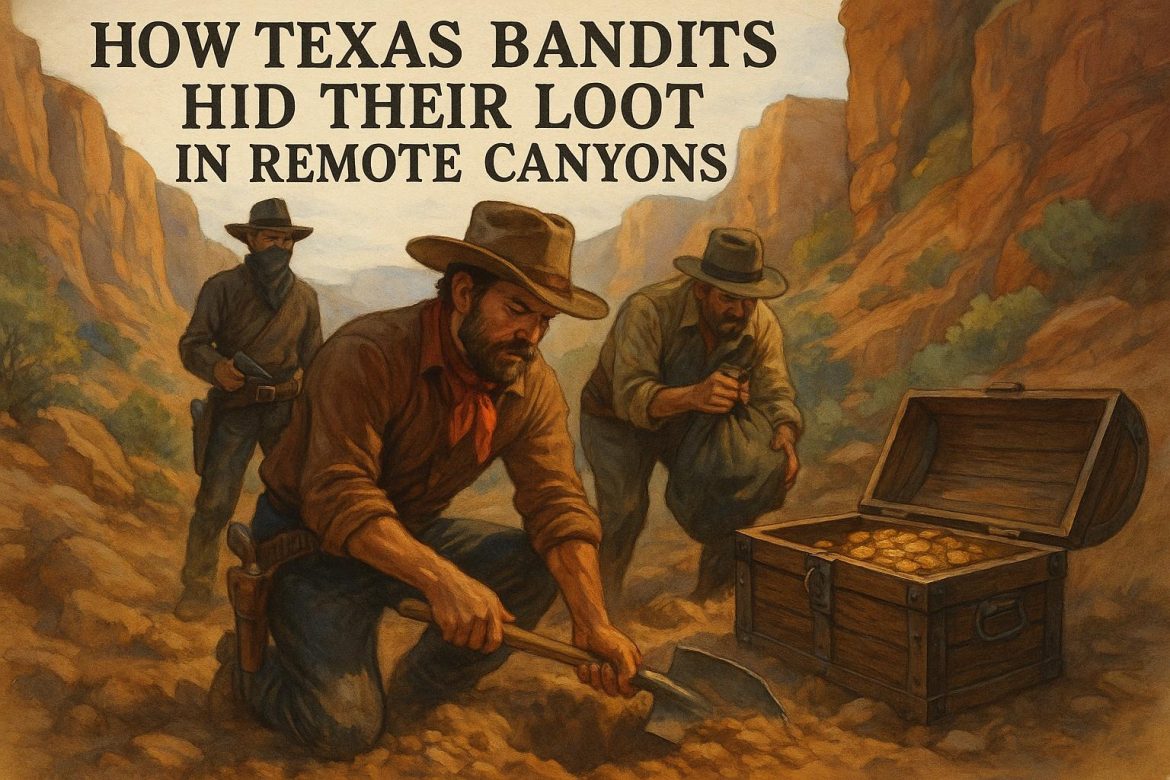
The history of banditry in Texas is rich with tales of daring escapades and hidden treasures. During the 19th and early 20th centuries, the remote canyons of Texas provided the perfect environment for bandits to conceal their ill-gotten gains. This article delves into the intriguing methods used by these outlaws and the geographical advantages of the Texas canyons.
The Rise of Banditry in Texas
Texas, with its vast landscapes and rugged terrain, was a haven for bandits and outlaws throughout much of the 19th century. The unsettled, lawless environment made it an attractive area for those looking to evade authorities. However, as more settlers moved to the region and law enforcement became more organized, bandits needed to employ more sophisticated methods to hide their loot.
Geographical Advantages
The geographical composition of Texas is diverse, featuring deserts, forests, and mountainous regions. Among these, the remote canyons of Texas became preferred hiding spots for bandits for several reasons:
- Seclusion: The canyons offered natural concealment with their rugged and isolated locations, making it difficult for law enforcement to track bandits.
- Natural Barriers: With steep walls and narrow passages, canyons provided natural defenses against pursuit, giving bandits a tactical advantage.
- Varied Terrain: The diverse terrain in these canyons made it easier to create secret hiding places for loot.
Hiding Techniques
The methods that bandits employed to hide their loot were as creative as they were effective. These techniques ensured that their bounty remained well hidden and accessible when needed:
- Camouflaged Caves: Many bandits used the natural caves within the canyons to store their loot, often covering the entrances with brush or other natural materials to conceal their presence.
- Buried Treasure: Some preferred to bury their loot in shallow graves, marking the spots with discreet, personal identifiers only they could recognize.
- Sheltered Nooks: The rugged terrain was ideal for finding or creating small, hidden nooks that could serve as storage spaces.
Development of Banditry Over Time
As the 19th century progressed, Texas underwent significant social and economic transitions that influenced the activities of bandits. With economic development came the expansion of railroads, increasing the opportunities for bandits to stage robberies. This era saw the emergence of infamous gangs which became skilled at ambushing trains carrying cash and valuables. As such transportation networks extended, so did the bandits’ territories, and they adapted their methods to suit their newfound opportunities.
The Bandit Gangs
Several notorious gangs made their mark on Texas history. The exploits of figures such as Sam Bass and Jesse James captured the public’s imagination. These outlaws, sometimes portrayed as folk heroes, executed well-coordinated heists that required detailed planning and knowledge of the land. The effectiveness of their endeavors was often due in large part to their intimate understanding of Texas’s topography.
Impact of Law Enforcement
The increase in bandit activity inevitably led to a stronger response from law enforcement. In the late 19th century, the Texas Rangers were reorganized to combat the mounting lawlessness, utilizing their own knowledge of the terrain to track down fugitives. Despite facing a formidable challenge, these lawmen played a crucial role in reducing banditry, although completely eradicating it proved to be a daunting task.
Modern-day Legacy
The legends of outlaws and hidden loot in the Texas canyons have persisted through generations, contributing to the area’s cultural tapestry. Today, while organized banditry is no longer a widespread concern, the stories of these figures continue to captivate imaginations. Treasure hunters and enthusiasts explore these regions, fueled by tales of undiscovered riches. This enduring fascination with Texas bandits highlights a romanticized view of outlaws who defied authority and lived on their own terms.
Conclusion
The narrative of banditry in Texas canyons is an intricate blend of historical events, geographical influences, and human ingenuity. It showcases the dynamic interplay between outlaws seeking fortune and the evolving forces of law and order. The legacy of these bandits is etched into Texas’s history, reminding us of a time when the line between hero and villain was as rugged and uncharted as the canyons themselves.
For more on the history of Texas bandits, visit the History Channel’s Texas Page.