

The Origins of the Republic of Texas
The Republic of Texas emerged as an independent nation in 1836 following its declaration of independence from Mexico. This period marked a significant chapter in American history, as Texas navigated a complex web of political, economic, and military challenges to establish itself as a sovereign entity. The republic managed to remain independent for a decade before joining the United States in 1846. Within this brief lifespan, the Republic of Texas faced numerous adversities, most notably its financial struggles, which have left historians intrigued by tales of a supposed lost fortune.
The Financial Condition of the Republic
From the outset, the Republic of Texas was burdened with considerable financial obstacles. The cost of the war for independence against Mexico had left the nascent nation deeply in debt. Compounding this problem was the difficulty Texas faced in gaining international recognition, which limited its access to loans and credit from other nations. The Republic attempted to stabilize its economy by minting its own currency, the Texas dollar, but these efforts were met with limited success. Rapid devaluation of the currency added to financial woes, affecting everything from governmental operations to local economies.
The Republic’s fiscal instability became a defining aspect of its existence, influencing both internal policies and diplomatic efforts. To manage its liabilities, the Republic engaged in land sales to raise funds, offering large tracts of its vast territory to settlers and speculators. Although this strategy generated some revenue, it was not sufficient to alleviate the overall debt burden. The fluctuating financial health of Texas highlighted the challenges faced by a fledgling nation attempting to navigate the complex landscape of 19th-century global politics and economics.
The Treasure Rumors
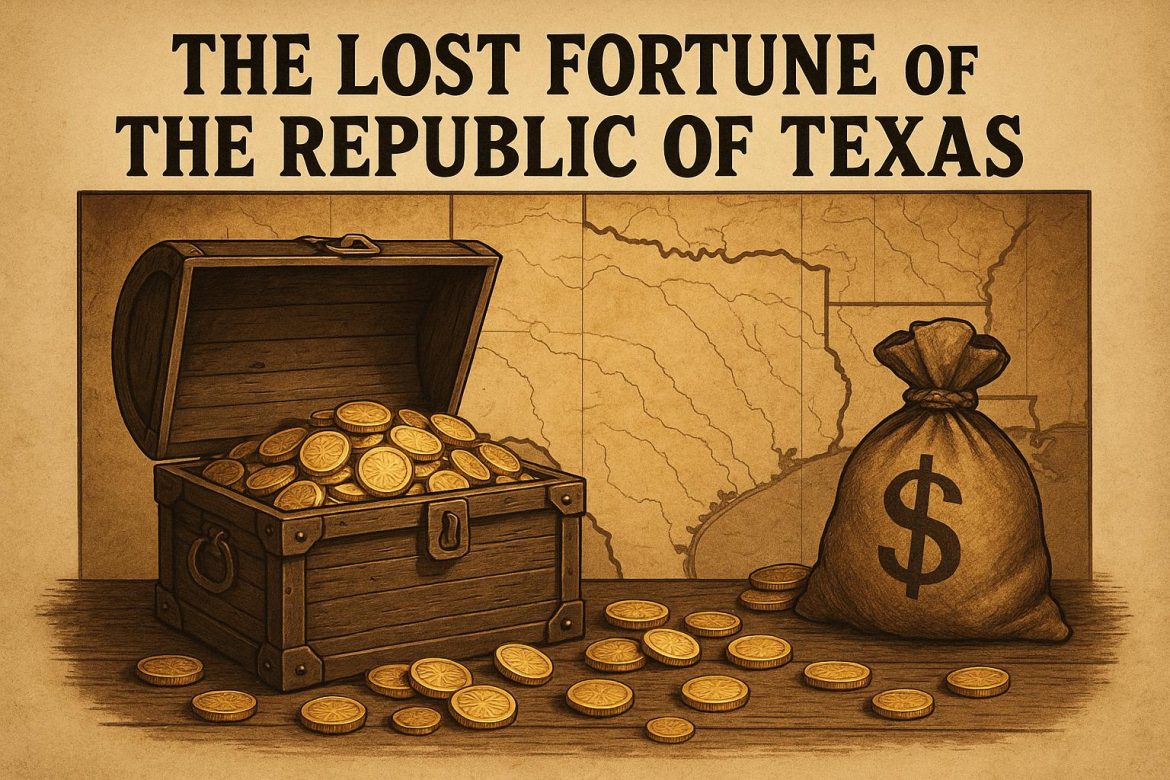
Despite the financial difficulties, or perhaps because of them, rumors of a lost treasure associated with the Republic of Texas have persisted over the years. These tales suggest that the Republic, during its tumultuous years, accumulated a significant cache of gold and silver. This treasure was allegedly hidden to protect it from potential threats, such as invasions by Mexican forces or internal disturbances. The uncertainties and dangers of the time may have necessitated such actions, yet the precise details and truth behind these accounts remain elusive.
The allure of these stories is partly grounded in the Republic’s practical needs and the actions it might have taken to secure its resources. With Texas constantly under the looming shadow of military threats and political instability, safeguarding valuable assets would have been a prudent measure. However, the lack of concrete documentation renders the current location or fate of these resources speculative at best.
Possible Explanations
The persistence of treasure rumors can be partly attributed to the Republic of Texas’s documented efforts to protect its resources amid continuous threats. Historical records, while sparse, suggest that the Republic did acquire various assets and supplies. Given the perpetual state of potential conflict, the decision to hide or secure these resources would have been a logical strategy.
Following Texas’ annexation by the United States, the urgency surrounding these hidden treasuries may have diminished, leading them to be forgotten or overlooked. Subsequent generations, intrigued by these accounts, have speculated on the whereabouts of these hidden riches, fueling the ongoing legend of a lost Texas fortune.
Adding to the mystique are sporadic claims by treasure hunters and adventurers who insist they have found traces of the Republic’s hidden wealth. However, none have presented verifiable proof to substantiate these claims. The stories of lost treasure continue to capture public imagination, adding an element of folklore to the concrete historical narrative of the Republic of Texas.
Ongoing Investigations and Legends
Despite exhaustive research by historians and archaeological endeavors aimed at uncovering physical evidence, no definitive proof of the lost fortune has surfaced. Nonetheless, the legend endures as a captivating element of Texas history. It continues to attract the interest of treasure hunters, history enthusiasts, and academic researchers alike.
For those drawn to the mystery and heritage of the Republic of Texas, several historical organizations are devoted to exploring and chronicling this dynamic period. These organizations not only provide resources for those keen on understanding the Republic’s past but also encourage further study into its lasting legacy and unresolved enigmas.
The myth of a lost fortune remains symbolic of broader considerations about how the Republic of Texas managed its fiscal policies and secured its assets. While the allure of undiscovered wealth is intriguing, it ultimately serves as a metaphor for the resourcefulness and resilience exhibited by this young nation amidst a backdrop of adversity.
The continuing fascination with the Republic of Texas and its purported hidden treasures contributes to the cultural and historical identity of the region. Just as the Republic itself came to symbolize a spirit of independence and determination, so too does the enduring legend of its lost fortune reflect the challenges and innovative strategies undertaken by a fledgling nation in a critical era of transition and transformation. This narrative remains an integral part of understanding the Republic’s legacy and influences perspectives on how history, folklore, and mystery intertwine, leaving a lasting mark on the storytelling traditions of Texas and beyond.