

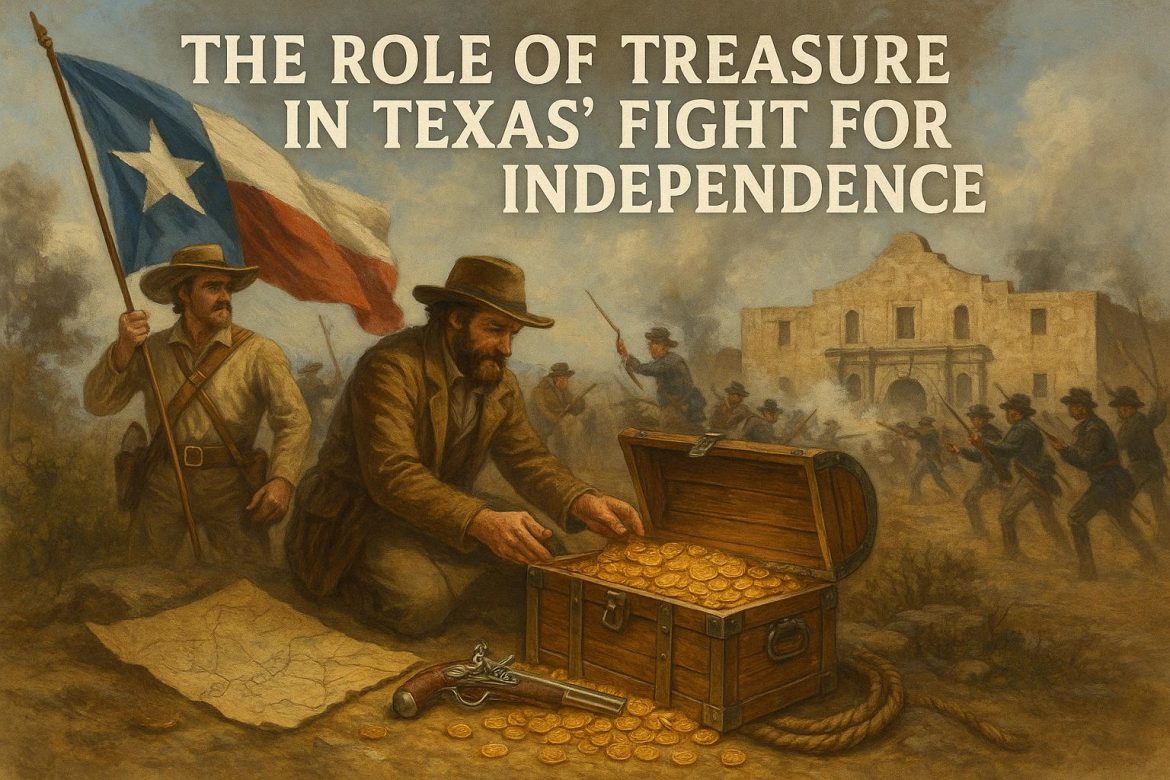
The Importance of Treasure in Texas’ Fight for Independence
During the early 19th century, the pursuit of treasure remarkably influenced the historical landscape and socio-political dynamics of Texas. As settlers and adventurers navigated the vast landscapes, the prospect of acquiring wealth became an unquestionable driver in the narrative of Texas’ struggle for independence. Understanding the significance of treasure in this context helps paint a broader picture of the motivations and circumstances that led to Texas breaking away from Mexican rule.
Economic Motivations Behind the Struggle
While political factors were undoubtedly at play, the struggle for Texas’ independence from Mexico was deeply embedded in economic aspirations. The dual allure of fertile land and natural resources transformed the region into a proverbial treasure trove.
The settlers who ventured into these lands were not just seeking new horizons but also aimed to capture the wealth that lay within Texas. The promise of prosperity fueled the determination of those who sought autonomy from Mexican governance. Indeed, the economic motivations were as compelling as the quest for political self-determination.
Empresarios and Their Impact
Central to Texas’ settlement and subsequent quest for independence were the Empresarios. These land agents, such as Stephen F. Austin, played a pivotal role in shaping the region’s demographic and economic framework. The Mexican government entrusted them with substantial tracts of land, in return for their commitment to foster settlements.
This system of land grants can be seen as a substantial treasure, an enticing offer for individuals seeking new starts and lucrative opportunities. For the settlers, these lands represented new beginnings and the chance of prosperity. However, the dynamic between Mexican authorities and settlers over land use and governance sowed seeds of discord. Tensions rose as Empresarios and their settlers began pushing back against restrictions, setting the stage for the larger conflict that unfolded.
The Role of Gold and Silver
Beyond the promise of fertile lands, tales of precious metals hidden within Texas intrigued many. Although large-scale explorations for gold and silver weren’t fully capitalized on during the initial settlement phase, rumors were rampant. The mere prospect held enough allure to attract adventurers and settlers seeking fortunes.
These whispers of hidden wealth infused enthusiasm and urgency into the Texan cause. Many looked beyond immediate gains and envisioned a future where an independent Texas could provide unbridled access to such riches. This potential for wealth became yet another rallying point for those seeking to break free from Mexican control, offering both tangible and aspirational incentives.
Financial Challenges and Military Funding
Waging a war for independence was no less demanding financially than it was militarily. The leaders of the Texan revolution faced significant obstacles in securing necessary funds to support their military endeavors. Treasure, in its varied forms, became essential to their efforts. They required currency and valuable assets to finance their campaigns and ensure their troops were equipped and motivated.
Contributions from affluent Texans were of monumental importance. Loans and financial aid from sympathetic sources provided much-needed relief, enabling the Texan leaders to sustain their forces and continue their quest for independence.
Importantly, the concept of treasure in this context goes beyond just physical assets. It encompasses all economic enablers that motivated groups to unite under the cause of independence. From the fertile lands that promised agricultural prosperity to the tales of gold and silver that spurred dreams of wealth, each element laid the groundwork for a fiercely driven movement.
Looking back, it’s clear that the appeal of economic gain was inextricably woven into the fabric of the independence movement. For those interested in diving deeper into economic influences during the Texan Revolution, available resources from the Texas State Library and Archives Commission or the Texas Historical Commission offer valuable insights into these pivotal times.