

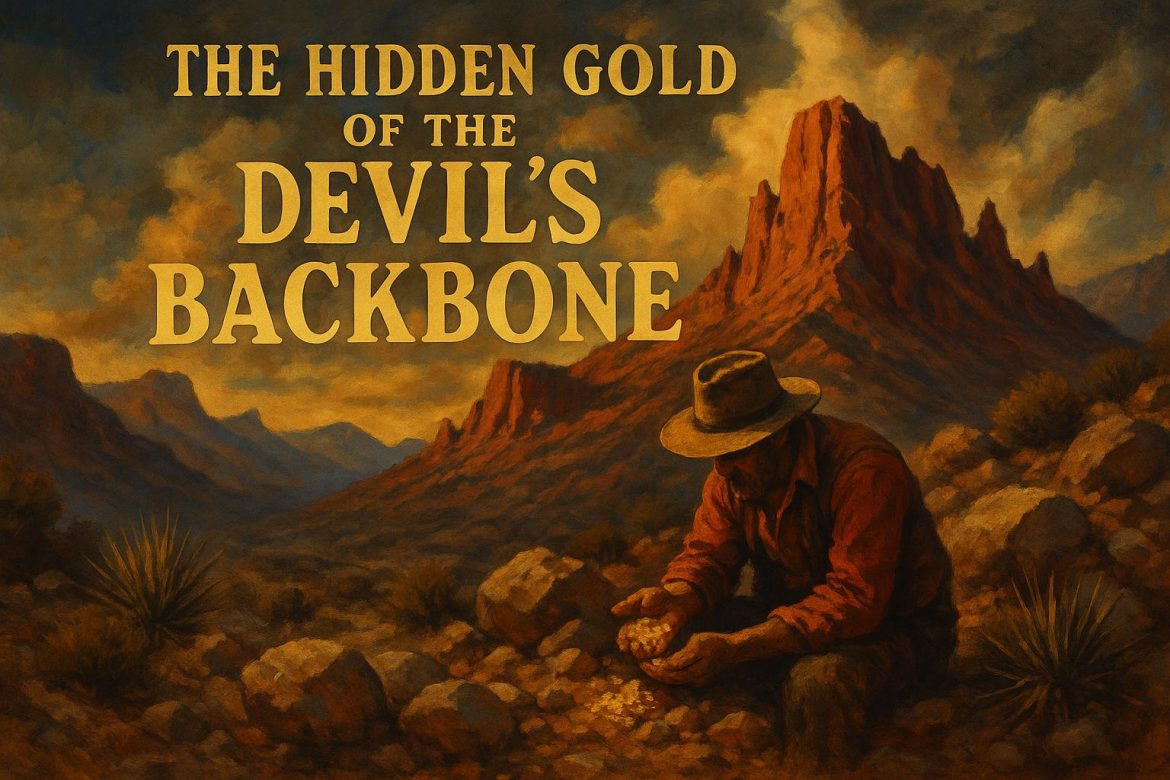
The Historical Context of the Devil’s Backbone
The Devil’s Backbone, a mountain ridge located in the Sierra Madre Oriental in Mexico, is enveloped in rugged terrain and scenic vistas. This geographic marvel is not only a natural wonder but also a repository of numerous legends and local folklore. Among the most enduring tales associated with this area is the captivating legend of hidden gold, a treasure purportedly buried by adventurers of the past, such as Spanish conquistadors, or perhaps even earlier civilizations. This narrative has entwined itself into the fabric of the region’s history and culture, providing a timeless allure to both locals and those from afar.
Origins of the Legend
The fabled tale of hidden gold within the Devil’s Backbone has been transmitted orally through generations, metamorphosing slightly with each retelling. According to the most enduring version of this legend, during the Spanish conquests, conquistadors buried vast hoards of treasure in the remote mountain stretches. This precautionary measure was allegedly taken to safeguard the riches from rival factions or potentially hostile indigenous groups. As time marched on, the exact whereabouts of this buried gold were lost to memory, fueling a narrative that has intrigued countless treasure hunters and adventurers across the centuries. The persistent belief that an undiscovered fortune lies within this rocky terrain has captivated the imagination of many, transforming the Devil’s Backbone into a symbol of mystery and adventure.
Geographical Overview
Spanning across the Mexican state of Durango, the Devil’s Backbone is notorious for its serpentine roads that wind treacherously between sharp curves and steep cliffs. The geographical isolation and the inherent difficulty of navigating these paths have preserved much of the area’s mystery, as well as the tantalizing legend of hidden wealth. Being located in a remote and rugged part of Mexico, the Devil’s Backbone presents a formidable challenge for would-be treasure seekers who must contend with the natural barriers that have helped the legends endure over centuries. It is the combination of these daunting landscapes and the whisper of ancient tales that make the pursuit of treasure in this area an alluring but arduous quest.
Modern Exploration Efforts
Even in contemporary times, with the advance of modern technology, the legend of hidden gold in the Devil’s Backbone continues to inspire fervent exploration. Innovations in technology have enabled treasure hunters to advance in their pursuits, employing tools such as metal detectors and ground-penetrating radar. These devices have provided adventurers with new methods to probe the mountainous earth, although no significant discoveries have yet been documented.
The Devil’s Backbone, moreover, is part of a protected land area. This status introduces legal considerations for any expeditionary endeavors, as prospective explorers must negotiate not only the demanding physical landscape but also navigate the regulatory environment. The dual challenges of legality and terrain have shaped the modern context in which this ageless legend persists.
Impact of Local Lore on the Area
Beyond its hypothesized material value, the legend of the hidden gold has imprinted a significant impact on the local culture and tourism industry surrounding the Devil’s Backbone. This storied narrative invites visitors who are not only drawn by the mystery but also by the intrinsic beauty of the region. Local residents play an active role in perpetuating these legends by sharing their personalized versions of the tale, thereby enriching the history and mythos enveloping the Devil’s Backbone.
Moreover, the local economy benefits from the intrigue that the legend sustains. Tourism driven by historical curiosity and the quest for adventure provides an economic stimulus, fostering a unique cultural exchange as curious travelers encounter the rich tapestry of narratives and landscapes that define this region.
For those interested in delving deeper into such tales and geographic wonders, numerous resources and publications focus on the history and folklore of Mexico. Several books and articles offer detailed explorations into fascinating topics such as the Devil’s Backbone and the persistent stories of its hidden treasures.
Yet, it might be posited that the true treasure of the Devil’s Backbone lies not necessarily within its rocky confines but within the stories themselves. These narratives contribute significantly to the region’s rich cultural heritage, encapsulating the spirit of adventure and mystery that persists through modern times. As with many such legends, the actual value might be found in the human experiences and imaginations they inspire, continuously weaving into the cultural narratives that define this captivating part of Mexico.
In summary, the legend of the hidden gold in the Devil’s Backbone, while never authenticated by concrete discoveries, remains a vibrant component of the historical and cultural narrative that characterizes this region. It is a testament to the power of storytelling and the relentless human spirit of exploration that such tales endure, offering both a window into the past and an ongoing saga for future generations.