

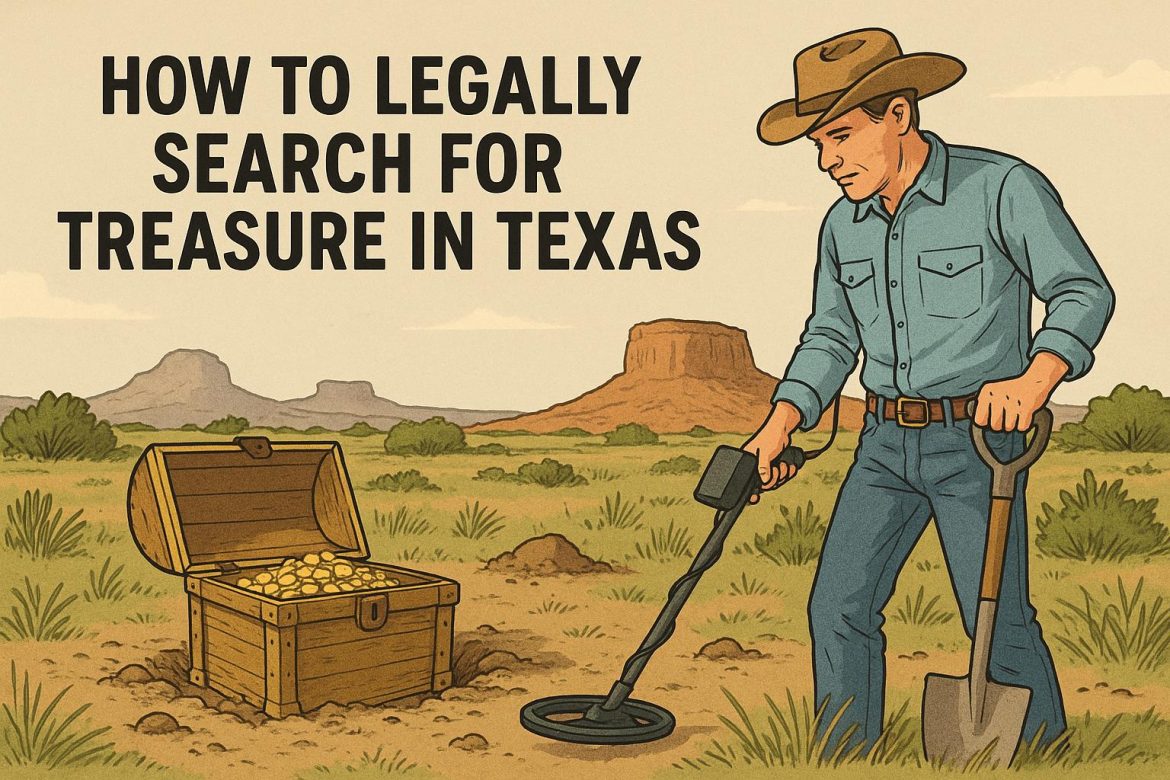
Understanding the Legal Framework for Treasure Hunting in Texas
Texas, with its rich history and vast landscapes, presents enticing opportunities for treasure hunters and artifact enthusiasts. However, before embarking on such adventures, it is essential to comprehend the intricate legal framework that governs treasure hunting in the state. This understanding ensures compliance with laws designed to protect the state’s unique natural and historical resources. Familiarity with both federal and state regulations is paramount to a lawful and respectful treasure hunting venture.
Federal Laws and Regulations
Federal regulations significantly influence treasure hunting activities, especially when they occur on federal lands. A key piece of legislation is the Archaeological Resources Protection Act (ARPA). ARPA is designed to safeguard archaeological resources on public and Indian lands, prohibiting unauthorized excavation and removal of such resources. The legislation is stringent, with severe penalties for violations, including substantial fines and potential imprisonment. Its importance cannot be overstated, as it represents a critical mechanism by which the federal government preserves archaeological integrity. For those interested, detailed information about ARPA can be explored further through federal resources, such as the National Park Service.
State Laws Specific to Texas
At the state level, Texas enforces its own set of laws to protect its archaeological and historical sites. The Antiquities Code of Texas is pivotal in this regard. It prohibits the disturbance or removal of artifacts from state lands without proper authorization. Violating the code can result in legal consequences, emphasizing the importance of obtaining appropriate permits before undertaking excavation or exploration activities. Engaging with the Texas Historical Commission is recommended as it offers guidance and directs individuals to necessary resources, ensuring that treasure hunters are well-informed about their obligations under state law. More detailed insights into these legal parameters can be found through the Texas Historical Commission’s channels.
Securing Permission for Treasure Hunting
The acquisition of consent and permits is a fundamental step before initiating any treasure hunting activity. This process is of substantial importance whether the activity occurs on private, state, or federal land.
Private Land
For treasure hunting endeavors planned on private property, obtaining explicit permission from the landowner is indispensable. While verbal agreements may suffice in some contexts, a formal written agreement is often advisable. Such documents clearly define expectations, responsibilities, and the distribution of findings, therefore preventing future disputes. This approach ensures transparency and good relations between the parties involved, fostering cooperative and lawful treasure hunting experiences.
State and Federal Land
Treasure hunting on state or federal land typically necessitates securing a permit. These permits vary depending on the managing agency, with different requirements and conditions applied by each. Therefore, it is essential to engage with the relevant authorities for guidance. For instance, the Texas Parks and Wildlife Department or the Texas General Land Office are appropriate contacts for state-owned lands. Similarly, federal lands may require contact with agencies such as the Bureau of Land Management to ascertain requisite guidelines and permits.
Using Metal Detectors and Other Equipment
The deployment of metal detectors and similar equipment is subject to specific regulations, especially on public lands. Metal detectors, often integral to treasure hunting, can be restricted or outright banned to prevent the disturbance of historical sites and natural environments. Prospective treasure hunters must research local regulations meticulously before using such instruments. Compliance with these norms is critical to avoid penalties and to safeguard sensitive areas from potential harm caused by uninformed exploration.
Respecting Environmental and Cultural Sensitivities
Treasure hunting in Texas demands more than mere legal compliance; it requires a profound respect for environmental and cultural sensitivities. This involves avoiding any actions that could harm landscapes or disturb culturally sensitive sites. Treasure hunters are encouraged to consider the cultural significance of their finds, fostering a respectful and responsible approach. By doing so, they honor not only the heritage of Texas but also contribute positively to the conservation of the environment and the protection of historical narratives.
Reporting Discoveries
In line with the responsibility that comes with treasure hunting, it is essential to report any significant discoveries to the proper authorities. In Texas, such reportage typically involves the Texas Historical Commission. By reporting findings, treasure hunters play a vital role in the preservation of historical sites and ensure compliance with state regulations. This practice aids in the protection and understanding of Texas’s diverse cultural history, offering valuable contributions to archaeological research and public knowledge.
In conclusion, treasure hunting in Texas involves a complex interplay of legal requirements and ethical considerations. Thorough research and strict adherence to legal guidelines are imperative for anyone interested in such pursuits. By securing necessary permissions, respecting legal boundaries, and adopting responsible practices, treasure hunters not only remain within the confines of the law but also contribute to the preservation of Texas’s invaluable natural and historical resources. This approach ensures that the state’s rich heritage is safeguarded for future generations, allowing history and culture to continue captivating the imaginations of explorers and enthusiasts alike.