
The Geology of West Texas Mountains
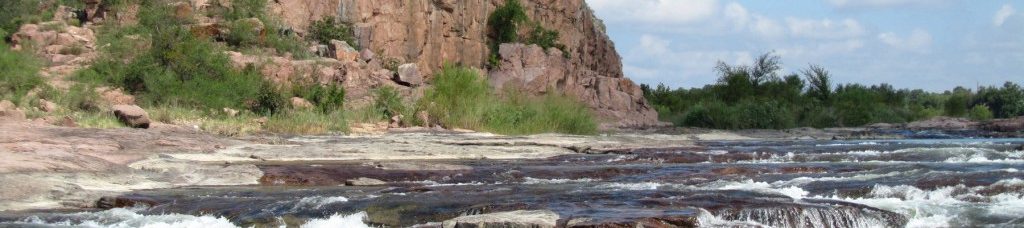
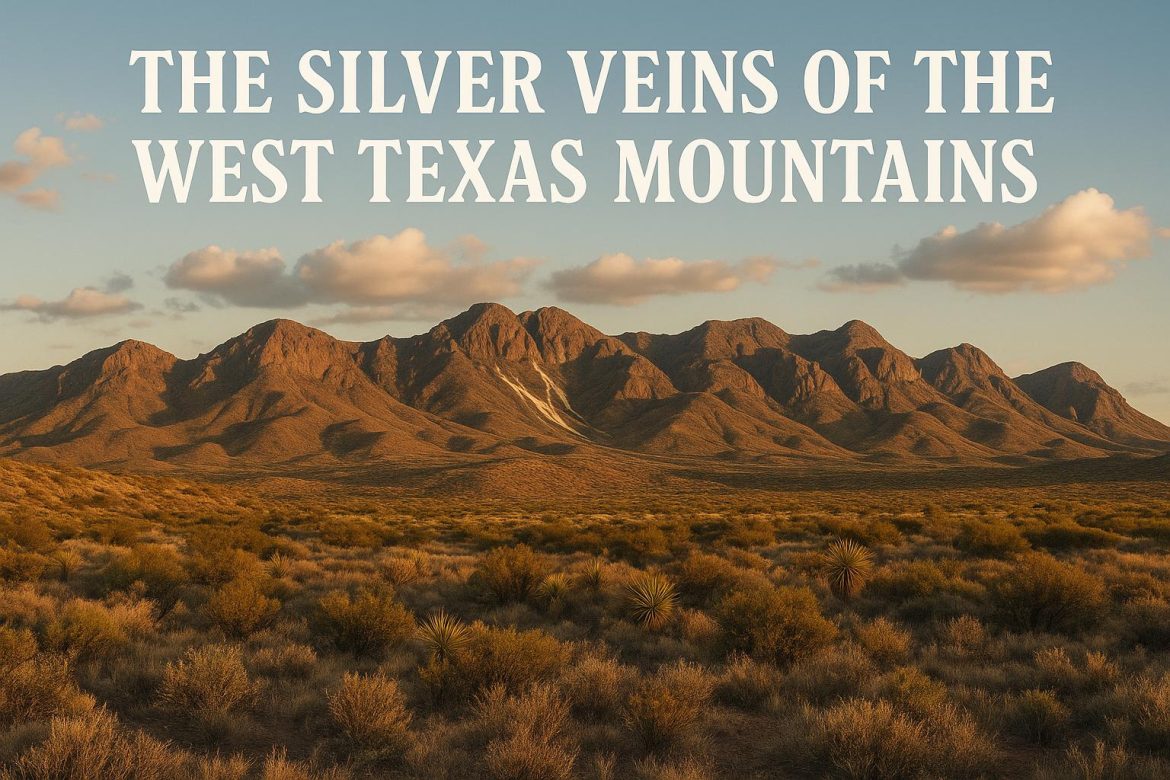
The West Texas Mountains, forming part of the expansive Trans-Pecos region, are notable for their remarkable geological diversity. This area is characterized by rugged peaks, sprawling desert terrains, and geological formations that tell the story of ancient tectonic movements and extensive erosion processes spanning millions of years. One of the most captivating features of this landscape is the presence of notable silver deposits within the mountain ranges, colloquially termed the “Silver Veins” of West Texas. The composition of these geological structures offers a glimpse into the Earth’s dynamic processes and presents an intriguing subject for both geologists and enthusiasts alike.
Formation and Location of Silver Deposits
Silver deposits in the West Texas Mountains are primarily found in mineral veins, often accompanied by other metallic ores such as lead and zinc. These valuable deposits reside in a matrix of igneous and metamorphic rock formations, which arose from significant volcanic activity that occurred more than 35 million years ago. This geological activity involved the intense heat and pressure-induced transformation of existing rocks, giving birth to a rich tapestry of mineral wealth. The most concentrated silver deposits are found near the Chinati Mountains and the Van Horn Range. These areas have become focal points for geological exploration, as they reveal much about the elemental composition and formation of the Earth’s crust in this region.
Historical Context of Silver Mining
The discovery of silver in these mountainous regions dates back to the late 19th century, a time when prospectors were propelled by the allure of wealth during the silver rushes that swept across neighboring regions. As word of these rich deposits spread, a flurry of mining activity began to unfold. Historians note that the largest scale mining operations took root in the early 20th century, leading to the establishment of several mining towns such as Marfa and Terlingua. These towns quickly evolved into bustling hubs of economic activity, drawing miners from across the country eager to lay claim to a piece of this newfound treasure.
Mining boomed during these years, with silver extraction reaching its peak as technological advancements enabled the deeper excavation and more efficient processing of ore. However, as the years progressed into the early 1900s, large scale mining operations began to wane, driven by the depletion of the easily accessible ore and shifts in market demand. Despite this decline, sparks of interest in the silver mines have flickered throughout the decades, with small-scale operations and renewed efforts by adventurers continuing sporadically into the present day.
Extraction and Economic Impact
The extraction of silver from the highlands involves traditional mining techniques that have been refined over the years. The process typically starts with the extraction of ore from subterranean veins deep within the mountains. Once extracted, this ore undergoes a comprehensive processing routine to separate valuable metallic elements from the less valuable host rock.
The economic impact of these mining activities historically has been significant, primarily at the local level. During the peak of mining activity, the demand for labor provided employment opportunities and helped sustain the small communities that dotted the mountainous landscape. The bustling towns became self-contained economic ecosystems, with allied services and businesses emerging to support the mining workforce.
In contemporary times, although the seismic impact of mining on the economy has shifted, it continues to function as a niche industry. This present-day niche industry helps sustain smaller local economies by supporting jobs related to exploration, geological studies, and tourism, which has grown around the historical legacy of mining in the area.
The Modern Perspective
Presently, the allure of the silver veins in West Texas is captured by a mix of historical intrigue and ongoing geological exploration. Researchers, geologists, and mining enthusiasts continue to undertake expeditions aimed at mapping these deposits, driven by a desire to unlock their full potential through modern technological advances in mining and metallurgy. The historical mining towns preserve their legacy, acting as open-air museums that attract tourists and history buffs keen on exploring remnants of the past. These relics are not just reminders of a bygone era but are valuable educational tools that explain the region’s historical economy and its transformative effect on the landscape.
Though silver extraction is no longer the central economic driver it once was, the vestiges of the silver veins provide a fascinating narrative on both the geological and socio-economic evolution of the area. They reveal a story of human endeavor, scientific progress, and the ongoing dialogue between nature and ingenuity. Thus, the exploration of the West Texas Mountains remains an enriching journey, yielding insights into the complex interplay of the Earth’s geological processes and enriching the historical tapestry of human economic activities. This constant exploration and reevaluation ensure that the West Texas Mountains continue to be a significant domain of study and admiration in the field of geology, presenting new findings and perspectives that enrich our understanding of this storied and diverse landscape.