
Introduction to Spanish Gold Hoards
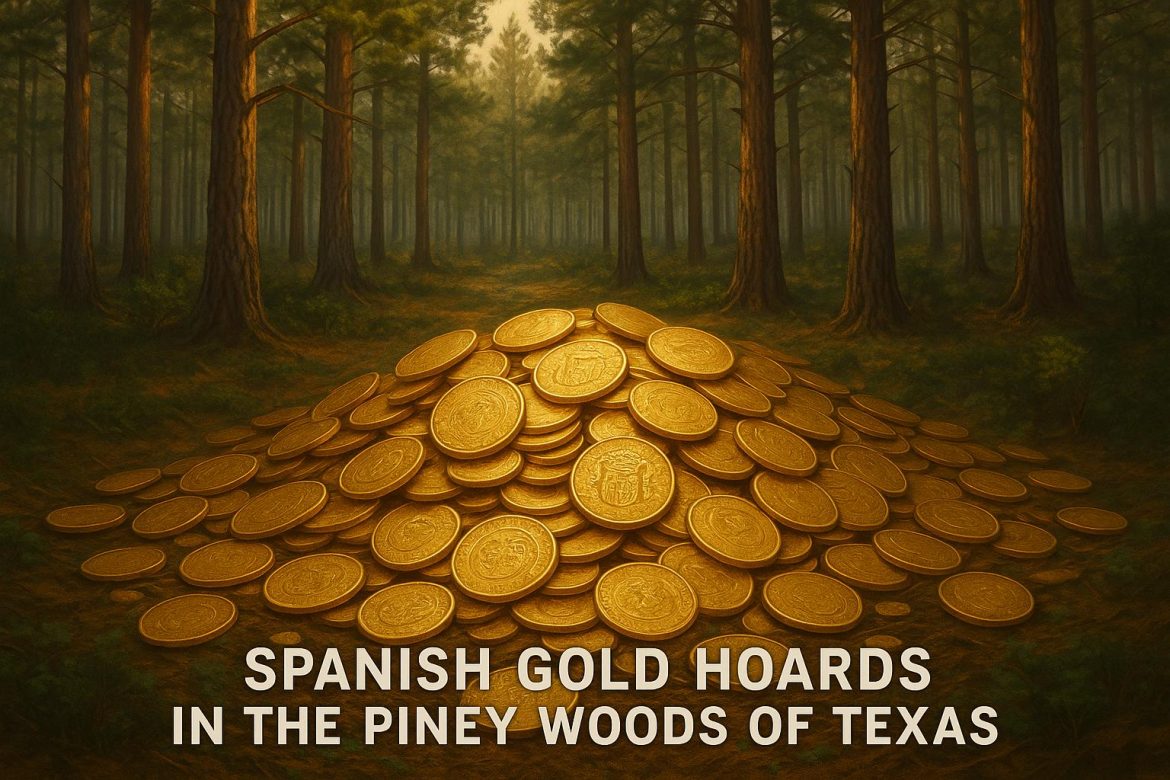
The stories of Spanish gold hidden in the Piney Woods of Texas have intrigued historians and treasure hunters alike. These tales, rooted in the era of Spanish exploration and colonization, continue to capture the imagination of people intrigued by the idea of long-lost riches buried in remote locations. The blend of historical intrigue and the potential for great discovery makes this a fascinating topic for both scholars and amateur explorers.
The Piney Woods
The Piney Woods region spans across a considerable part of East Texas, characterized by dense forests and rolling hills, presenting a dramatic landscape. This area, rich in natural resources, played a significant role during the time of early exploration due to its geographic and strategic importance. It served as a crossroads for explorers, indigenous peoples, and settlers. Its unique terrain, with thick pine forests and diverse wildlife, provided a natural cover and an ideal hideout for those seeking to keep their precious hoards safe from prying eyes.
The verdant topography and irregular landscape posed challenges in travel and navigation, which both aided and deterred the movements of travelers. For treasure hiding, the isolation provided perfect conditions. The complex network of trees and underbrush could conceal even sizable hoards effectively, making the Piney Woods a plausible and intriguing site for legends of hidden treasure. As a result, this area is now steeped in tales of secret caches that could lay undiscovered for centuries among the towering pines.
Historical Context
The 16th and 17th centuries were bustling times of exploration for the Spanish as they traversed parts of what are now the southern United States, including Texas, in their quest for wealth, dominion, and conversion of indigenous tribes. This period saw ambitious expeditions where conquistadors would often carry invaluable cargo—gold, silver, and other culturally significant artifacts.
The allure of riches motivated these expeditions as they embarked on perilous journeys often fraught with challenges from local tribes, unfamiliar landscapes, and competition from other European nations seeking to stake their claim on the new world. Spanish expeditions would sometimes be forced to bury their treasure to protect it from imminent threats. The intention was always to return, but many did not, leaving their treasures to be swallowed by time and legend. These activities sowed the seeds for the mysterious stories and legends that persist today.
Notable Expeditions
One of the most significant Spanish expeditions was led by Francisco Vázquez de Coronado in the mid-1500s. His exploration of the American Southwest is well documented and serves as a prime example of the Spanish quest for treasure that broadened geographical and cultural knowledge but came with little financial reward for those involved. Despite not finding the city of gold he searched for, Coronado’s extensive travels from present-day Mexico into the heart of the United States created numerous offshoot narratives about lost treasures. His expeditions, and those of others at the time, contributed to the compelling folklore surrounding Spanish treasures, including stories about potential deposits along now-forgotten paths.
For those who have been enchanted by Coronado’s epic tale, many historical records and online resources provide more insight into the expedition’s complexities and the mysteries that remain unsolved.
Impact on Local Legends
The centuries that followed Coronado’s journey saw the development and embellishment of legends about hidden Spanish gold. These tales are deeply embedded in East Texas folklore, a narrative tapestry that has been woven through generations. The stories often mention paths blazed by early settlers or winding trade routes now overgrown and forgotten, suggesting these as potential locations for caches of gold awaiting discovery.
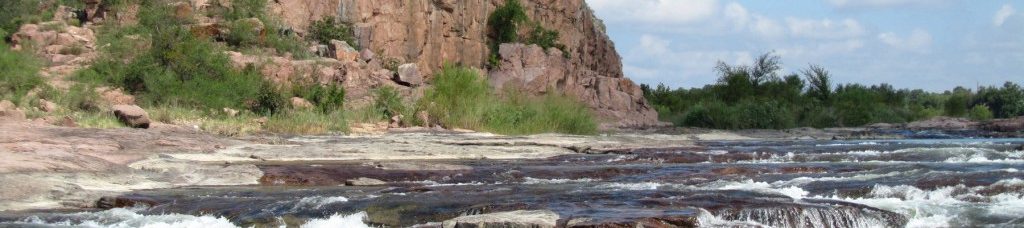
Some stories have grown to be quite specific, with references to natural landscape features—distinct rock formations, old towering trees, or certain land contours—that supposedly serve as markers indicating where treasure might have been buried. These tales have inspired countless treasure hunters to set out with maps in hand, guided more by legend than by verifiable evidence, but nonetheless drawn by the possibility of a significant find.
Conclusion
The allure of uncovering Spanish gold hoards in the Piney Woods of Texas has persisted through the years, driven by the twinned forces of mythology and tangible discoveries of historical artifacts. While the authenticity and precise locations of such treasures remain largely speculative, the narratives themselves are invaluable contributions to Texas’s cultural and historical landscape.
For enthusiasts and historians, the enduring quest for Spanish treasure requires more than adventurous spirit; it necessitates careful research and a willingness to respect local regulations and the significance of heritage sites. Exploring well-documented historical resources and consulting expert guidance can enrich the journey significantly. As the exploration continues, each new insight adds texture to the rich tapestry of Texas history, keeping the spirit of the search, and the stories that fuel it, very much alive. Through diligent study and careful observation, modern-day seekers may uncover fragments of history that shine as brightly as any treasure of gold.